Materials & Manufacturing Outlook for 2027
Our annual look ahead at material availability, pricing, manufacturing technology, and regulatory changes for the coming year, based on current indicators.

As 2026 concludes, manufacturers face an environment that’s neither crisis nor normal—a recalibrated baseline with higher costs, persistent skilled labor challenges, and continued supply chain adjustments. Understanding what 2027 likely brings helps with planning and strategy.
This outlook synthesizes current conditions, announced investments, regulatory calendars, and industry trajectory to identify what matters for the coming year.
Material Market Outlook
Steel
Expect continued pricing stability with modest variation. Hot-rolled coil has traded in a relatively narrow band through 2026, and no major disruptions are imminent. Import pricing remains tariff-burdened, keeping domestic pricing supported.
New EAF (electric arc furnace) capacity coming online in 2027 adds to domestic supply, potentially softening prices slightly for flat products. Specialty steels remain capacity-constrained. Lead times have normalized for most products, though plate over 2″ and specialty grades (certain alloy steels, tool steels) maintain extended leads. Watch for energy cost impacts on EAF mills and scrap price volatility affecting regional pricing.
Aluminum
Pricing remains elevated compared to historical norms. Smelting is energy-intensive, and global capacity hasn’t expanded to meet growing demand from EV and renewable energy sectors. Limited domestic smelting capacity means most domestic “production” is actually rolling and extruding imported ingot—the true domestic supply chain remains limited.
Extrusions and sheet are manageable from a lead time perspective, but specialty plate (7075, 2024) continues with extended leads. Watch for European energy prices affecting imports, China export policy changes, and demand from the automotive sector.
Stainless Steel
Pricing is tied to nickel and molybdenum—expect continued pressure on 316 and higher alloys, while 304 remains relatively stable. Standard gauges are available from distribution, but heavy plate and specialty grades (duplex, super austenitic) maintain long leads. Watch for Indonesian nickel production impacts and demand from the battery sector competing for nickel supply.
Specialty Alloys
Nickel alloys, titanium, and cobalt alloys face sustained high pricing as industrial and energy sector demand remains strong. Plan for extended lead times across most products—12-20 weeks for nickel alloys, longer for specialty forms. Watch for energy sector investments driving demand and industrial equipment replacement cycles.
Engineering Plastics
Pricing is generally stable. PEEK and high-performance polymers maintain premium pricing, while commodity plastics (HDPE, PP) track with petrochemical markets. Lead times have normalized for most materials.
Manufacturing Technology Trends
What’s Gaining Traction
AI-Assisted Optimization is delivering real results when applied to specific manufacturing problems. Machine learning now handles cutting parameter optimization (balancing tool life and cycle time), predictive maintenance with demonstrable ROI, and quality prediction from process data. This isn’t the autonomous factory of marketing hype—but practical, targeted applications that improve operations incrementally are proving their value.
Metal Additive Manufacturing for Production is moving beyond prototypes for certain applications. Complex geometries where weight savings justify cost, tooling inserts with conformal cooling, spare parts for obsolete equipment, and low-volume production parts with high complexity all represent viable use cases. Additive still isn’t competitive for most machined parts, but the range of economically viable applications continues expanding.
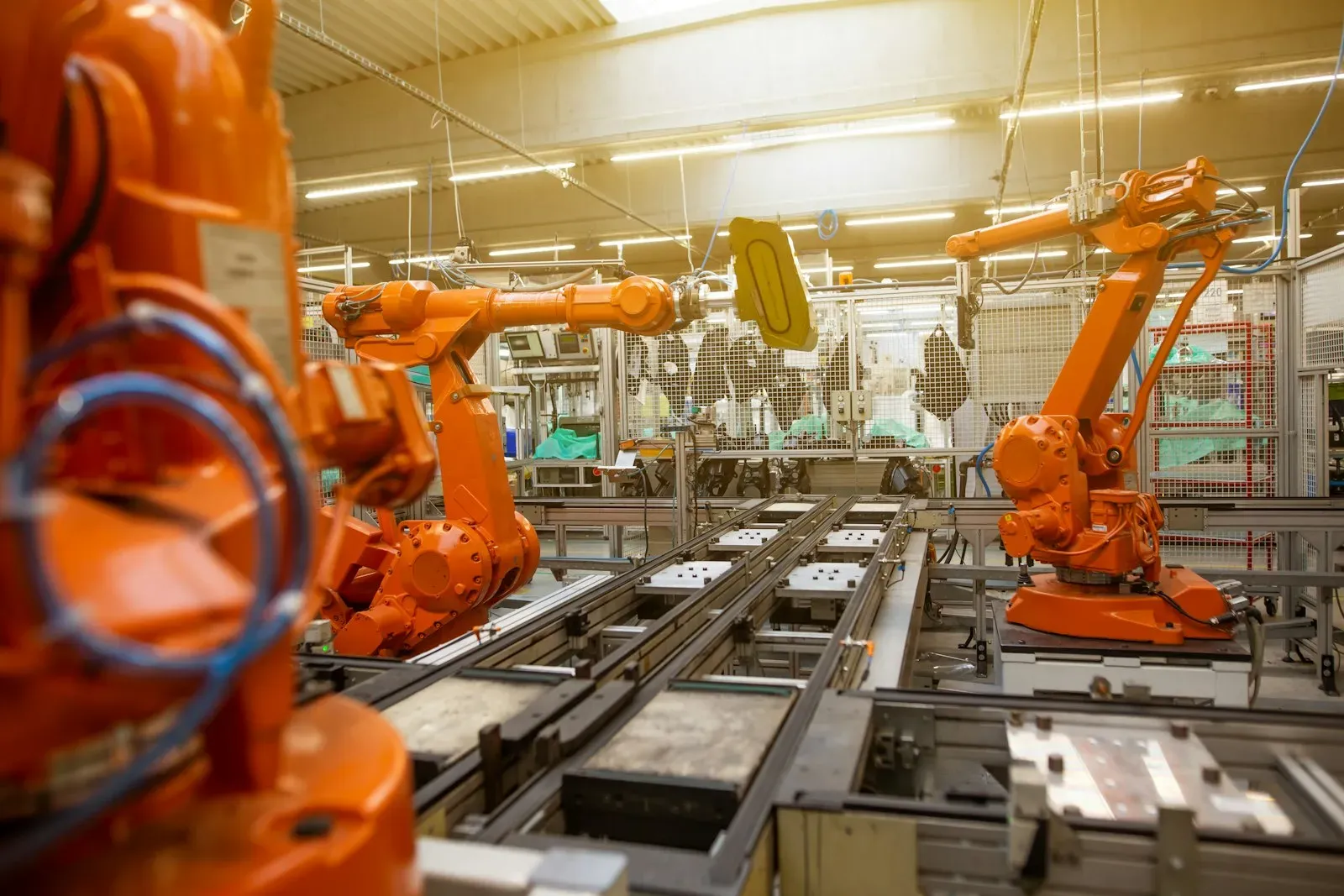
Collaborative Automation—robots designed to work alongside humans without caging—addresses machine tending for small batches, assembly assistance, and inspection automation. Lower barrier to entry than traditional automation makes these systems increasingly practical for high-mix environments.
What’s Still Developing
Autonomous Machine Operation in the form of true lights-out machining remains limited to specific applications with high-volume, well-characterized processes. The job shop reality of varied parts, materials, and specifications still demands human oversight.
Digital Twins as complete virtual replicas of physical production remain more concept than reality for most manufacturers. Useful elements like simulation and what-if analysis are being adopted, but full-scale digital twins are rare outside large enterprises.
Full Industry 4.0 Integration that connects all machines, systems, and processes into unified data environments proves harder than vendor presentations suggest. Practical progress continues, but wholesale transformation remains elusive.
For current state assessment, see our Industry 4.0 analysis.
Workforce and Capacity
Skilled Labor
The persistent challenge of skilled labor won’t be solved in 2027. Experienced machinists continue retiring faster than they can be replaced, younger workers often lack hands-on training, wage inflation for skilled positions continues, and competition from other sectors (construction, energy) draws workers away from manufacturing.
Shops are adapting through automation of routine tasks where practical, training partnerships with technical schools, potential immigration reform (policy changes being discussed), and knowledge capture from retiring workers. The planning implication is clear: don’t assume unlimited capacity availability. Strategic supplier relationships matter more than finding the lowest quote.
Capacity Utilization
Manufacturing capacity remains tight due to high demand across multiple sectors, labor constraints limiting expansion, and extended lead times for capital equipment. Expect continued lead time pressures even for standard work.
Regulatory Landscape
Coming in 2027
PFAS Restrictions on per- and polyfluoroalkyl substances are expanding. These regulations affect certain coatings, lubricants, and specialty materials. Replacement materials may have performance differences that require process adjustments.
Carbon Reporting requirements for carbon footprint disclosure in supply chains are emerging. These are more common in European supply chains but are beginning to appear in U.S. requirements as well.
Conflict Minerals Expansion may broaden reporting requirements beyond current 3TG (tin, tantalum, tungsten, gold) minerals, affecting a wider range of materials and suppliers.
Tariff Uncertainty
Trade policy continues evolving. Section 232 tariffs remain in effect, country-specific exemptions and exclusions change periodically, and a new administration may adjust priorities. Building flexibility into sourcing strategies remains essential.
Strategic Recommendations
Material Procurement
Maintain buffer inventory on critical materials—the “just in time” model remains risky in the current environment. Qualify alternatives for single-source materials to reduce supply chain vulnerability. Lock pricing where possible through contracts or forward purchases. Build relationships with distributors and mills, because allocation priority matters during periods of tightness.
Manufacturing Partnerships
Engage early for project work—lead times start before machining begins. Share forecasts with suppliers even if they’re informal; this helps them plan capacity. Consider total cost rather than just piece price, factoring in quality, delivery reliability, and communication. Diversify strategically so you’re not too dependent on any single source.
Technology Investment
Focus on specific problems rather than pursuing wholesale digital transformation. Measure ROI before and after implementation to validate investments. Start small and expand what works. Prioritize workforce augmentation over replacement—technology that makes skilled workers more effective typically delivers better returns than technology aimed at eliminating them.
Looking Forward
2027 won’t bring dramatic disruption or dramatic relief. The manufacturing environment has stabilized into a new normal characterized by higher baseline costs than pre-2020, persistent labor constraints, reliable but not abundant supply, incremental technology adoption, and continued regulatory complexity.
Success requires adaptation to this reality rather than waiting for return to previous conditions.
Working With NextGen Components
We help customers navigate this environment through material sourcing across domestic and international supply chains, inventory programs for critical materials, manufacturing partnerships with capacity access, and documentation meeting evolving regulatory requirements.
Planning your 2027 material and manufacturing needs? Contact our team to discuss your requirements and develop a supply strategy.
Ready to Start Your Project?
Contact us to discuss your material and manufacturing needs.
Request a Quote